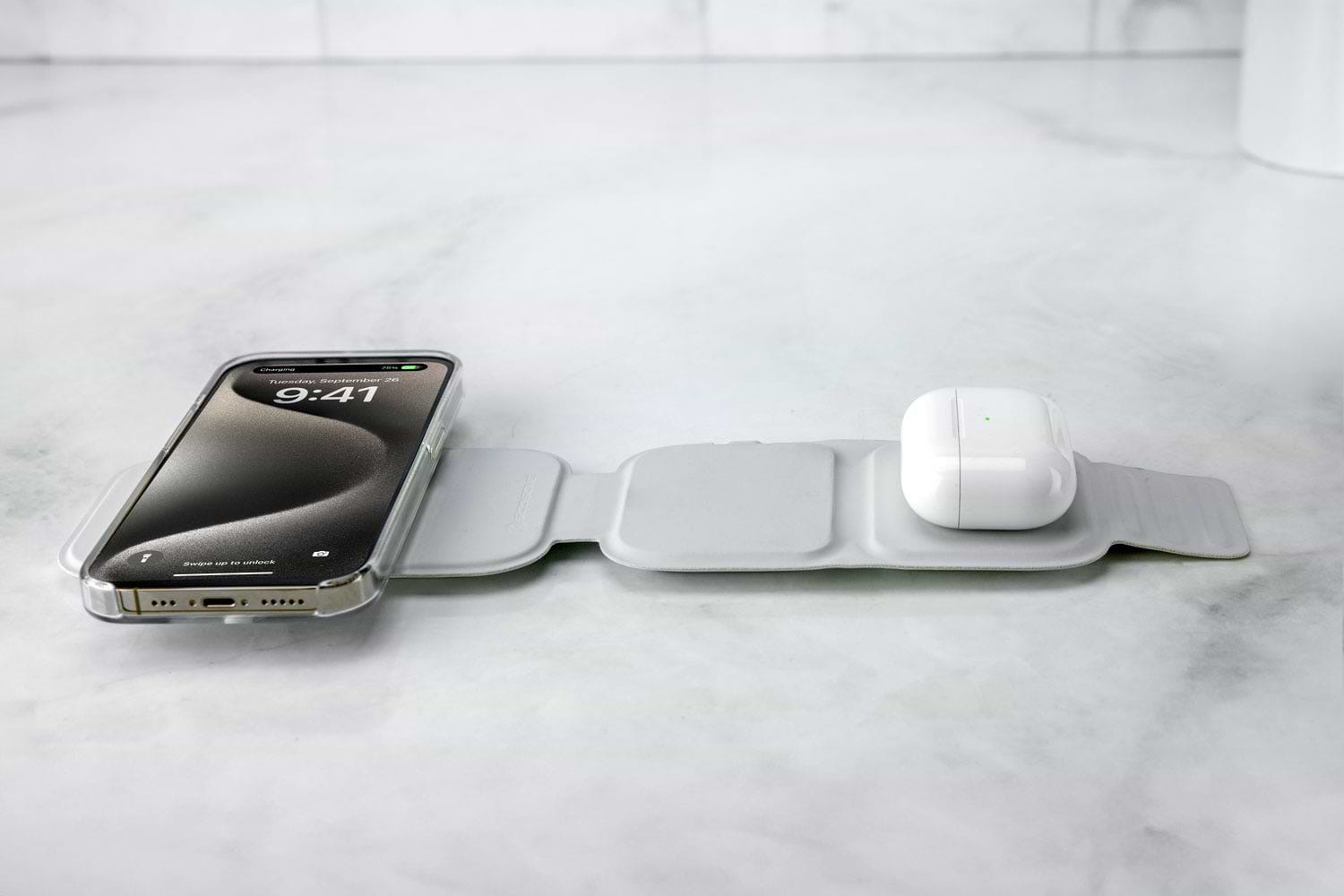
The Science Behind Wireless Charging: How It Works
The science behind wireless charging is rooted in the principles of electromagnetic induction. This technology allows power to be transferred between two objects without the need for physical connections. At the core of this process are two coils: the transmitter coil, located in the charging station, and the receiver coil, found in the device itself, such as a smartphone. When the charger is plugged in, it generates an alternating current through the transmitter coil, creating a fluctuating magnetic field. This magnetic field induces an alternating current in the receiver coil, converting it back into electrical energy to charge the device's battery.
One of the key benefits of wireless charging is its convenience, eliminating the hassle of tangled cables and connectors. However, it is important to note that this method of charging is typically less efficient than traditional wired charging due to energy loss in the form of heat. According to various studies, the efficiency rates can range from 70% to 90%, depending on the design and technology used. As the demand for wireless charging increases, ongoing research is focusing on enhancing its efficiency and performance, paving the way for broader adoption in various applications beyond just smartphones, including electric vehicles and wearable technology.
Counter-Strike is a popular tactical first-person shooter game that has gained a massive following since its initial release. Players can engage in competitive team-based matches where strategy and communication are key to success. For those looking to protect their AirPods, check out the Top 10 Thin Silicone Cases for AirPods to find the perfect accessory. The game's various modes provide countless hours of thrilling gameplay, appealing to both casual gamers and esports enthusiasts alike.
Top 5 Benefits of Cordless Charging Technology
Cordless charging technology has revolutionized the way we power our devices, offering convenience and efficiency that traditional charging methods simply cannot match. One of the top benefits is the elimination of tangled cords and cables, which often lead to frustration and clutter. With cordless charging, you just place your device on a charging pad, and it starts charging instantly. This seamless interaction not only enhances user experience but also encourages a tidier space, allowing you to focus on what truly matters.
Another significant advantage of cordless charging technology is its universal compatibility. Many cordless chargers utilize the Qi standard, making them compatible with a wide range of devices, from smartphones to smartwatches. This means you can charge multiple devices on a single pad, reducing the need for multiple chargers and outlets. Moreover, cordless charging systems often come equipped with safety features that protect your device from overheating and overcharging, ensuring longevity and better battery health.
Is Wireless Charging Safe? Debunking Common Myths
Wireless charging has become increasingly popular, but many people still wonder, Is wireless charging safe? There are several myths surrounding this technology that can lead to unnecessary fear. First and foremost, wireless charging has been extensively tested and meets safety standards set by organizations like the Institute of Electrical and Electronics Engineers (IEEE). The technology uses electromagnetic fields to transfer energy, which is generally considered safe compared to traditional charging methods. Additionally, devices are designed with built-in safety features to prevent overheating and overcharging.
Another common myth is that wireless charging can cause harm to your device. In reality, wires charging is just as safe, if not safer, than using a standard cable. The charging process is regulated, and once your device reaches a full charge, it automatically stops drawing power. Moreover, recent advancements in wireless charging technology have led to faster charging speeds without compromising safety. Embracing this technology can offer convenience without the worry of damaging your device or compromising your health.