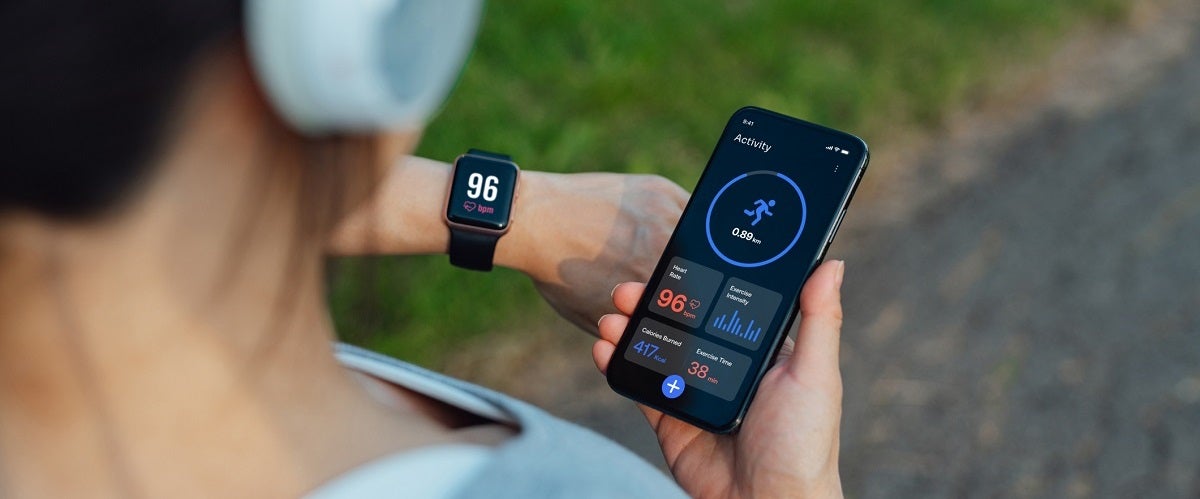
The Rise of Wearables: Are They Enhancing Your Life or Distracting You?
The advent of wearable technology has transformed the way we interact with our daily lives. From fitness trackers to smartwatches, these devices allow users to monitor health metrics such as heart rate, sleep patterns, and physical activity levels. The rise of wearables is not only about convenience; it also promotes a lifestyle focused on wellness and self-improvement. For instance, according to recent statistics, wearable devices have been credited with increasing physical activity among users by an average of 30%. This shift towards a more health-conscious approach suggests that wearables can indeed enhance our lives when utilized effectively.
However, there is a flip side to this technological evolution. As wearables become more integrated into our daily routines, they can also lead to distractions that detract from genuine human interactions and mindfulness. Notifications buzzing on our wrists may cause us to become less present in the moment, leading to increased anxiety or over-reliance on technology. Experts argue that the challenge lies in finding a balance between leveraging the benefits of wearables and avoiding their potential pitfalls. To truly assess whether wearables are enhancing your life or distracting you, one must reflect on their usage patterns and the impact these devices have on overall well-being.
Counter-Strike is a highly popular first-person shooter game that emphasizes team-based gameplay and strategy. Players can choose to join either the terrorist or counter-terrorist teams, each with unique objectives. For those who enjoy tracking their sleep patterns, check out the Top 10 Apple Watch Bands for Sleep to enhance your gaming and rest experience.
Top 5 Benefits of Wearable Technology You Didn't Know About
Wearable technology has evolved beyond simple fitness trackers to include advanced devices that offer a variety of unexpected benefits. Here are the top 5 benefits of wearable technology you may not know about:
- Improved Health Monitoring: Wearables provide real-time health data, allowing users to monitor vital signs such as heart rate, sleep quality, and activity levels. This proactive approach can lead to early detection of potential health issues.
- Enhanced Productivity: Many wearable devices are designed to help you stay organized. Notifications for emails, calendar reminders, and task management on your wrist can significantly improve your productivity.
Continuing with the surprising advantages, consider these additional benefits:
- Social Connectivity: Wearable technology can facilitate seamless social interactions. With built-in messaging and social media apps, you can stay connected without constantly checking your phone.
- Gamified Fitness: Many wearable devices come with gamification features that turn exercise into a fun competition, motivating users to meet their fitness goals through challenges and rewards.
- Peace of Mind: Features such as location tracking and emergency alerts can provide users and their loved ones with an added sense of security, especially for those who frequently engage in outdoor activities.
Wearables vs. Traditional Gadgets: Which Offers Better Focus and Functionality?
In the age of rapid technological advancement, the debate between wearables and traditional gadgets has never been more relevant. Wearable devices, such as smartwatches and fitness trackers, offer unparalleled convenience and seamless integration into daily life. These devices provide real-time data tracking, which can enhance focus by allowing users to monitor their health metrics, such as heart rate and sleep patterns. Additionally, the ability to receive notifications directly on one’s wrist minimizes distractions from other devices and helps maintain productivity. In contrast, traditional gadgets, including laptops and desktop computers, typically offer more powerful functionality and broader applications. For tasks requiring intense concentration, many users may find that the robust capabilities of traditional tech meet their needs better than their wearable counterparts.
When it comes to functionality, the choice between wearables and traditional gadgets ultimately depends on the user's specific requirements. Wearables excel in fostering a lifestyle focused on health and fitness, providing features like activity reminders and guided workouts to help individuals sustain their focus on personal well-being. However, traditional gadgets still reign supreme in areas requiring extensive processing power, such as graphic design or software development, where attention to detail is paramount. Users looking for an all-encompassing solution may find themselves choosing a combination of both, utilizing wearables for health monitoring while relying on traditional devices for professional tasks. Ultimately, the decision hinges on balancing portability and advanced functionality to support enhanced focus.