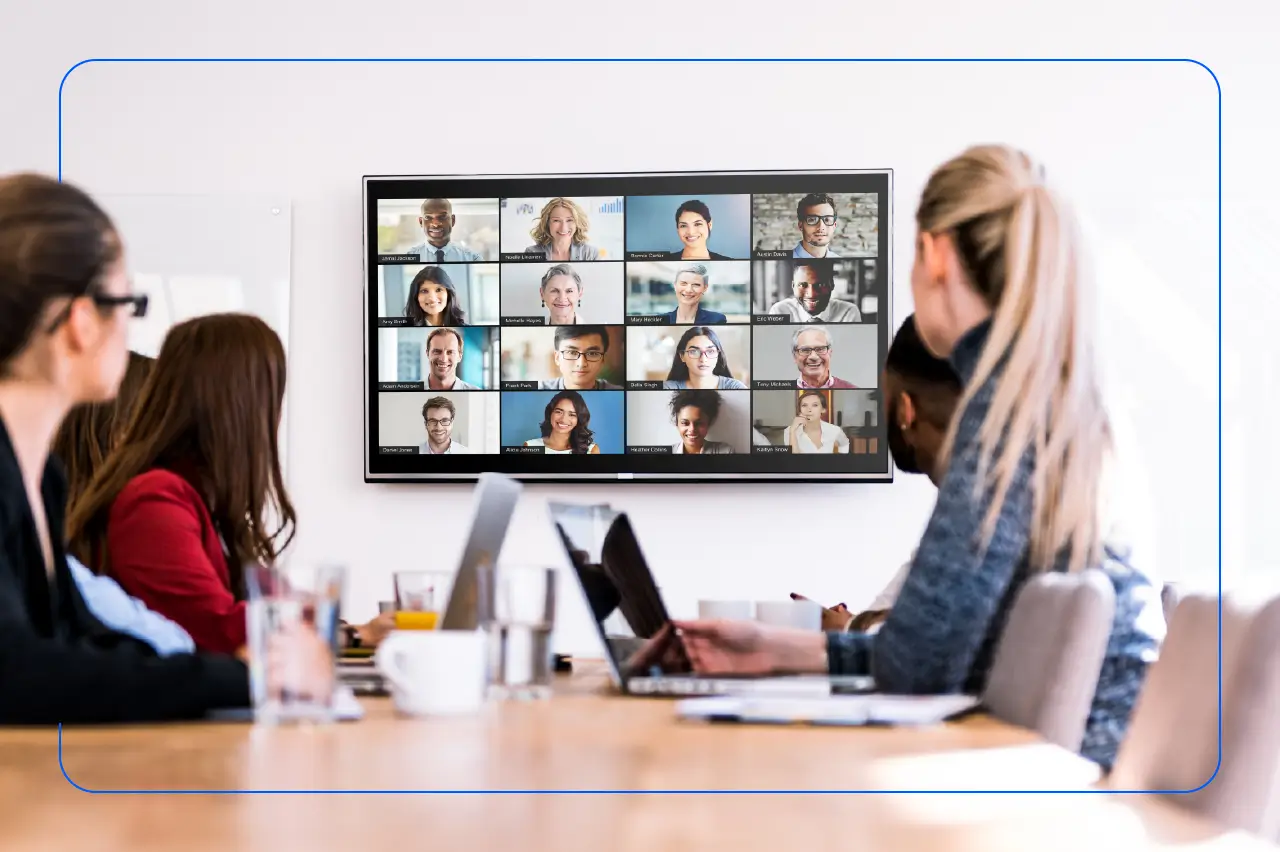
The Rise of Video Conferencing: Embracing Casual Comforts
The rise of video conferencing has transformed the way we communicate, work, and socialize. As the digital landscape continues to evolve, individuals and organizations are embracing the trend of conducting meetings and casual catch-ups from the comfort of their own homes. No longer limited to traditional office settings, video calls have become a staple in both professional and personal realms, particularly as platforms improve in both functionality and accessibility. This shift has facilitated a more relaxed approach to meetings, allowing participants to join in more casual comforts such as cozy pajamas, personal backgrounds, and a friendly atmosphere.
One of the significant advantages of this evolution is the ability to blend work-life balance effectively. The move towards a more comfortable video conferencing experience means that meetings can now occur in a setting that fosters creativity and relaxation. According to recent studies, participants in a casual virtual environment report feeling more engaged and open during discussions. Additionally, with features like virtual backgrounds, filters, and easy-to-use interfaces, individuals can tailor their experiences, making video conferencing not just a necessity but a preferred way to connect. Embracing these casual comforts allows for a more authentic communication style, bridging gaps in isolation while fostering team spirit and collaboration.
Counter-Strike is a popular first-person shooter video game that has gained a massive following since its release. Players can engage in team-based gameplay, where they take on the roles of terrorists or counter-terrorists. For those looking to enhance their gaming experience, check out the Top 10 iPad Accessories for Meetings to find useful tools that can improve your overall setup.
Top Tips for Professional Video Calls: Looking Good from the Waist Up
In a world where remote work and virtual meetings have become the norm, mastering the art of video calls is essential. One of the most crucial aspects is your appearance, especially from the waist up. Start by ensuring proper lighting in your workspace. Natural light is ideal, but if that's not available, consider investing in a good ring light to brighten your face and reduce shadows. Additionally, select a suitable background that is tidy and professional—preferably a neutral or soft-colored wall. Avoid clutter and distractions to keep the focus on you during your calls.
What you wear plays a vital role in how you present yourself on video calls. Opt for clothing that is both professional and comfortable, such as a crisp shirt or blouse. Solid colors often work better than busy patterns, as they help you stand out without overwhelming your audience. Remember to check your appearance on camera before starting your call; you may want to experiment with different angles to find your most flattering view. Lastly, keep your grooming in check—simple touches like combing your hair or applying a bit of makeup can boost your confidence and make a strong impression.
Is Video Conferencing the Future of Remote Work?
The COVID-19 pandemic has dramatically reshaped our understanding of the workspace, leading many to wonder, is video conferencing the future of remote work? As organizations continue to adapt, video conferencing platforms like Zoom, Microsoft Teams, and Google Meet have become essential tools for maintaining communication and collaboration. These platforms not only facilitate virtual meetings but also enhance team cohesion through features like screen sharing and real-time collaboration. With the support of these technologies, remote working has transitioned from a temporary solution to a viable long-term strategy for many businesses.
Moreover, the convenience of video conferencing allows employees to connect from anywhere in the world, breaking down geographical barriers and promoting a more diverse workforce. According to a recent survey, over 70% of remote workers expressed satisfaction with their ability to attend meetings and engage with colleagues through video platforms. This raises the question of whether traditional office environments will become obsolete. As organizations leverage video conferencing to boost productivity and employee morale, it seems increasingly likely that video conferencing is indeed the future of remote work.