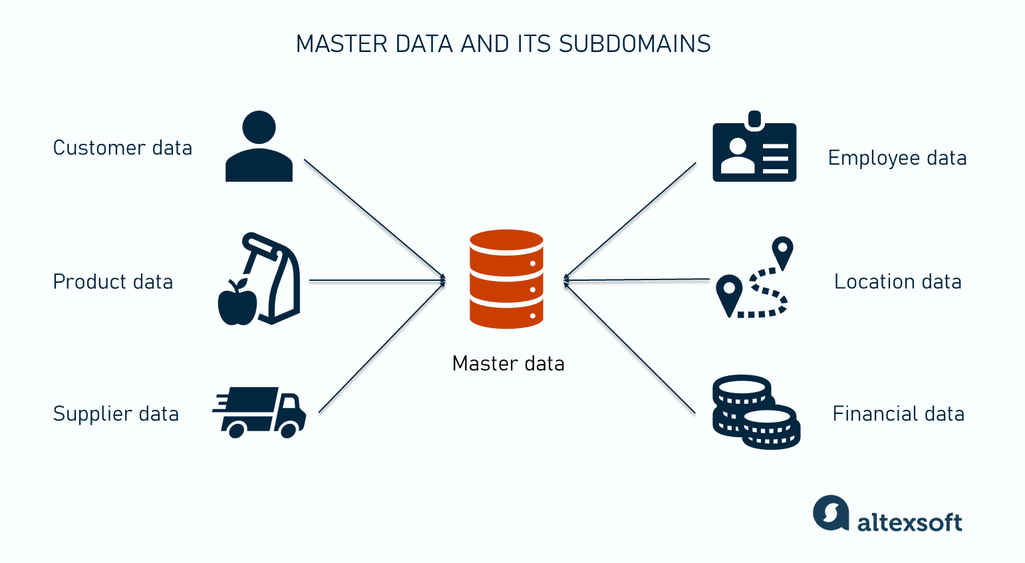
How Effective Data Management Drives Business Growth
In today's data-driven landscape, effective data management has become a cornerstone for driving business growth. Companies that prioritize organizing, analyzing, and safeguarding their data gain a competitive edge over those that neglect this vital aspect. By implementing strategies such as data governance and leveraging advanced analytics, businesses can transform raw data into actionable insights, fostering smarter decision-making processes. Consequently, organizations are able to identify market trends, optimize operations, and enhance customer experiences, ultimately leading to improved profitability and sustainability.
Moreover, effective data management facilitates better collaboration across departments, breaking down silos and promoting a culture of transparency. When employees have access to accurate and up-to-date information, they can work more efficiently and make informed choices that align with the company's objectives. This collaborative environment encourages innovation, as teams are empowered to experiment and pivot based on real-time data. In essence, investing in robust data management systems not only drives growth but also equips businesses to adapt in an ever-evolving market landscape.
Counter-Strike is a multiplayer first-person shooter that has become a staple in the gaming community since its initial release. Players engage in tactical team-based matches, where they can choose to be part of the terrorist or counter-terrorist teams. For those looking to enhance their gaming experience, check out the Top 10 mac accessories for creators which can help improve both performance and creativity.
The Top Data Management Practices Every Business Should Adopt
Effective data management is essential for every business aiming to leverage its data for strategic decision-making and operational efficiency. The first practice to adopt is data governance, which ensures policies and standards are in place for managing data across the organization. This includes establishing clear data ownership, roles, and responsibilities, thereby creating an accountability framework. Additionally, implementing data quality measures is crucial; businesses should regularly assess their data for accuracy, completeness, and consistency to avoid costly errors in reporting and analytics.
Another critical practice is data security. In an age where data breaches are rampant, protecting sensitive information must be a top priority. Businesses should invest in robust security measures, including encryption, access controls, and regular security audits to safeguard their data. Finally, embracing cloud storage solutions can enhance data accessibility and collaboration across teams. With the right cloud infrastructure, businesses can streamline data management processes and ensure that their data is both scalable and easily retrievable.
What Are the Common Pitfalls in Data Management and How to Avoid Them?
Effective data management is crucial for any organization, yet many fall into common pitfalls that can compromise the quality and usability of their data. One significant pitfall is data silos, where data is isolated within departments, leading to inconsistency and redundancy. To avoid this, organizations should implement a centralized data management system that encourages collaboration across departments. Furthermore, poor data governance can create confusion and hinder decision-making. Establishing clear data governance policies, including roles and responsibilities, helps ensure that data quality is maintained and accessible to all stakeholders.
Another common issue is the lack of proper data backup and recovery strategies. Losing crucial data can be detrimental to business operations. To mitigate this risk, businesses should regularly back up their data and establish a comprehensive disaster recovery plan. Additionally, organizations often overlook the importance of data cleaning, which involves identifying and correcting inaccuracies in datasets. Regularly performing data audits can help maintain data integrity and enable better decision-making. By addressing these common pitfalls, businesses can enhance their data management practices and ultimately drive more effective insights.