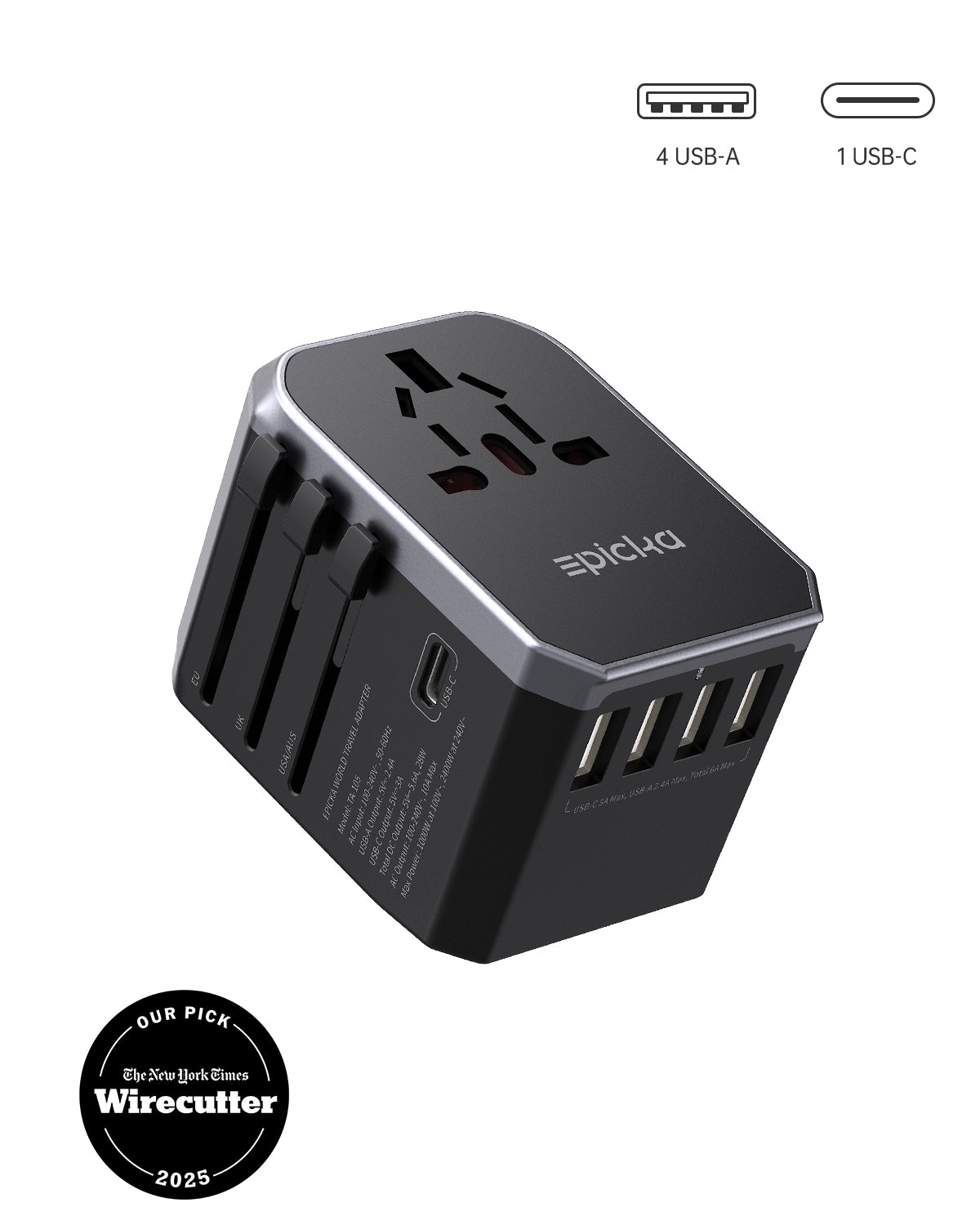
Understanding the Role of Adapters in Everyday Technology
In the rapidly evolving world of technology, adapters play a crucial role in bridging the gap between different devices and systems. These small yet significant components allow disparate technologies to communicate and function together, enhancing user experience and convenience. For example, a USB-C to HDMI adapter enables a modern laptop to connect to older display technologies, allowing users to take advantage of the latest devices without having to invest in new hardware. The versatility and functionality provided by adapters ensure that compatibility issues do not hinder technological advancement.
Furthermore, adapters come in various forms, catering to different needs in our everyday tech usage. Here are a few common types:
- Power adapters, which convert voltage levels for various devices;
- Audio adapters, such as headphone jacks and Bluetooth dongles, helping connect audio equipment;
- Network adapters, allowing wired and wireless connections to internet sources.
Understanding these components is essential, as they ensure seamless integration and function across devices, ultimately driving productivity and efficiency in our daily lives.
Counter-Strike is a highly competitive first-person shooter that has become a staple in the esports community. Players can choose between two teams, terrorists and counter-terrorists, each with different objectives. For gamers who love to travel, having the right gear can enhance their experience; check out the Top 10 travel tech accessories to stay connected and enjoy gaming on the go.
How Adapters Bridge the Gap Between Devices and Connectivity
In today's increasingly interconnected world, **adapters** play a crucial role in enabling seamless communication between diverse devices and connectivity standards. Whether it’s a USB-C to HDMI adapter that allows you to connect your laptop to a projector or a Bluetooth adapter that enables wireless communication between your smartphone and speakers, these essential accessories are designed to bridge the gap between varying technologies. As new devices emerge, keeping up with the latest connectivity options can be daunting; however, leveraging the right adapters makes this transition smoother.
Moreover, the importance of adapters extends beyond simple connectivity; they also enhance user experience and productivity. For instance, using a wired adapter in high-demand tasks, such as gaming or video editing, ensures a stable and fast connection compared to wireless alternatives. Additionally, adapters allow users to maintain compatibility with legacy devices, ensuring that investments in technology are safeguarded over time. As we continue to rely on a multitude of devices, understanding how adapters work to bridge these gaps is essential for maximizing both functionality and convenience.
Are We Overlooking the Importance of Adapters in Tech Innovation?
In the rapidly evolving landscape of technology, we often find ourselves captivated by the latest gadgets and groundbreaking software. However, we frequently overlook a crucial element that drives innovation: adapters. These vital connectors and converters enable different systems and devices to communicate seamlessly, bridging gaps between divergent technologies. From the humble USB-C adapter to the more complex network protocol converters, adapters play an essential role in ensuring compatibility and functionality across various platforms, often serving as the backbone of technological progression.
Moreover, the significance of adapters extends beyond mere compatibility; they facilitate experimentation and creativity within tech communities. By enabling developers and manufacturers to interface with varying technologies, adapters allow for the exploration of new possibilities and innovative solutions. For instance, consider how the rise of Internet of Things (IoT) devices relies heavily on adapters to connect various sensors and protocols. Without a proper understanding and appreciation of these unsung heroes, we may hinder our capacity for future advancements and risk stagnating in our technological ambition.